Cat6 vs. Cat6A: what actually changes in a commercial build
Bandwidth headroom, heat in bundled runs, and the real cost difference — the factors that should decide the spec, not the sales sheet.
Cat6 vs. Cat6A for commercial buildings comes down to 10GbE distance, bandwidth, PoE, cable density, installation cost, and how difficult the cabling will be to replace later.
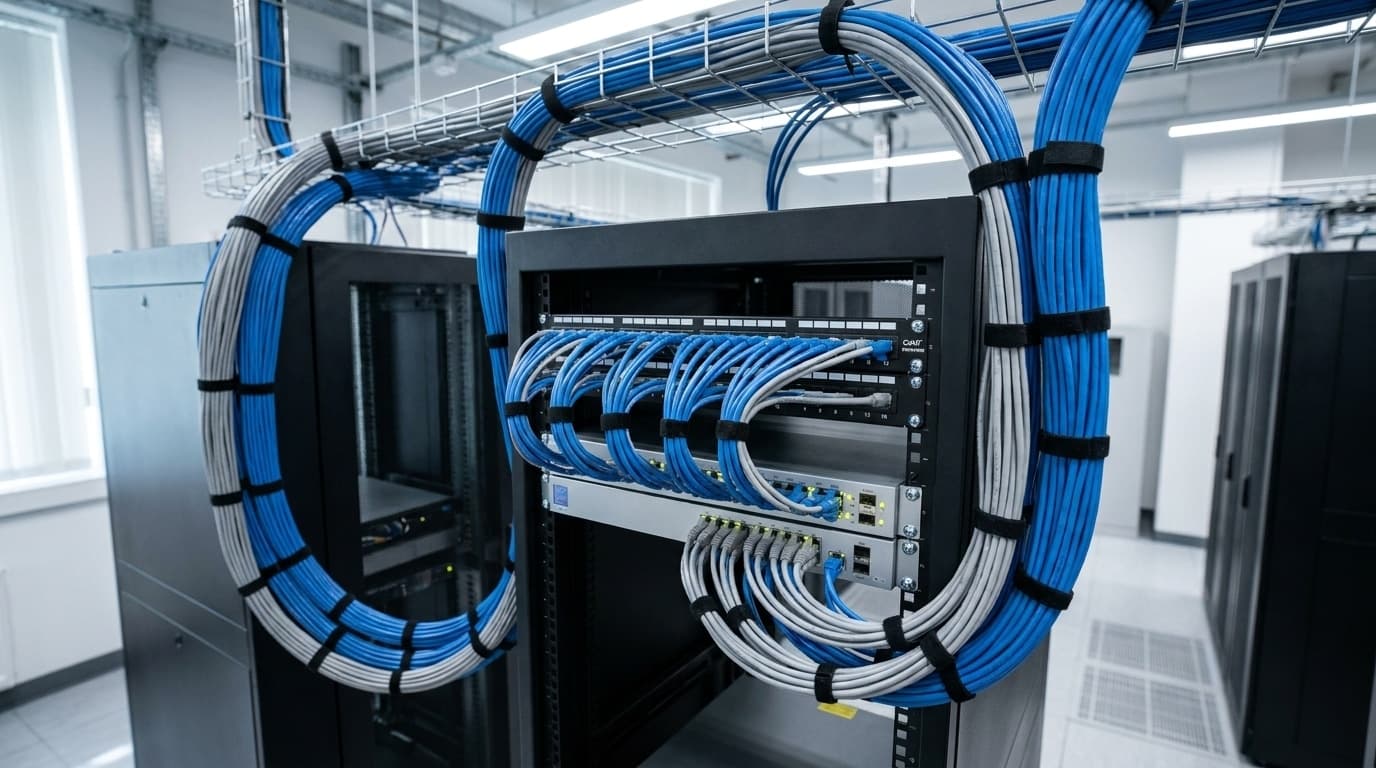
Cat6 vs. Cat6A: Short Answer
Cat6 is usually enough for standard office networks, phones, printers, cameras, and many 1GbE devices. Cat6A is the better choice when you need 10 Gigabit Ethernet up to 100 meters, additional bandwidth headroom, dense PoE infrastructure, or cabling that will be expensive to replace later.
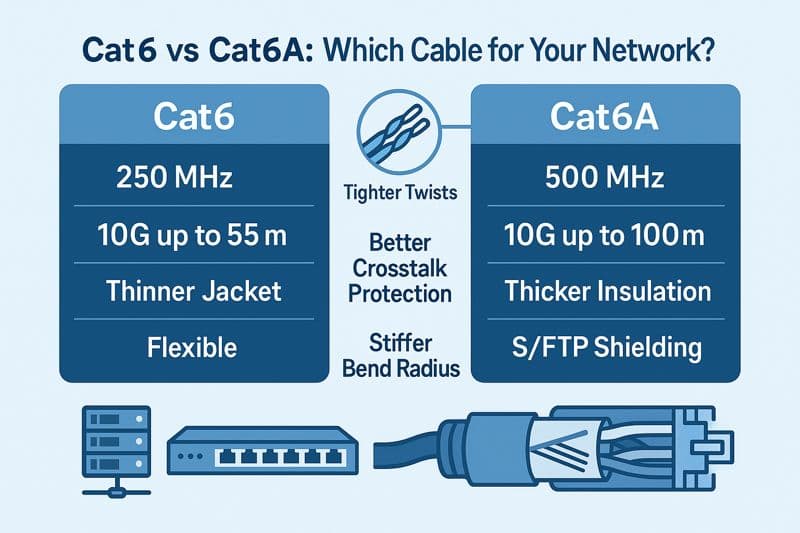
Cat6 is rated to 250 MHz. Cat6A is rated to 500 MHz and provides standardized support for 10GBASE-T up to 100 meters.
Is Cat6 Enough for a Commercial Building?
For many commercial installations, yes.
Cat6 is commonly suitable for:
- Office workstations
- VoIP phones
- Printers
- IP cameras
- Access-control devices
- Standard 1GbE network equipment
If the device does not require 10GbE and the cable can be replaced easily in the future, Cat6 can be the more economical option.
When Should You Use Cat6A?
Cat6A makes more sense when the infrastructure needs to support:
- 10GbE over longer distances
- Wi-Fi access points with faster wired uplinks
- High-performance workstations or NAS systems
- AV-over-IP
- Higher-density PoE installations
- Cable runs hidden behind finished walls or ceilings
In new construction, the additional cost of Cat6A can also be easier to justify because replacing structured cabling after the building is finished is much more expensive.
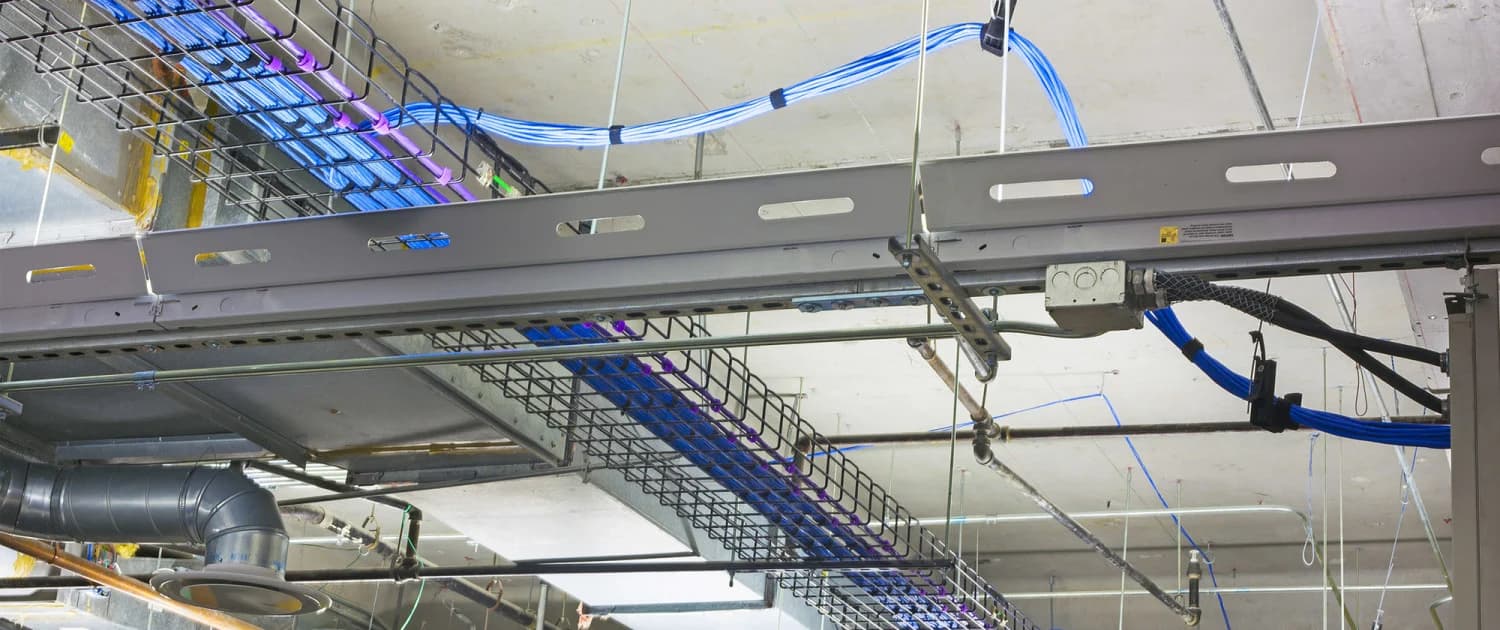
Equipment changes. Infrastructure stays.
Cat6 vs. Cat6A for Wi-Fi Access Points
For basic wireless access points, Cat6 may be sufficient.
For newer or future Wi-Fi infrastructure using 2.5GbE, 5GbE or potentially faster Ethernet uplinks, Cat6A provides more headroom.
The key point is simple: access points are replaced more often than the cable feeding them.
If pulling a new cable later means reopening ceilings or working in occupied space, Cat6A can make sense even when the current AP does not require it.
Cat6 vs. Cat6A for PoE
Both Cat6 and Cat6A can carry Power over Ethernet.
The bigger issue is not simply the category — it is heat inside large cable bundles.
When many PoE cables run together, consider: conductor size, bundle size, power level, ambient temperature, and pathway fill.
Cat6A cable is often used in demanding PoE environments, but good pathway design is just as important.
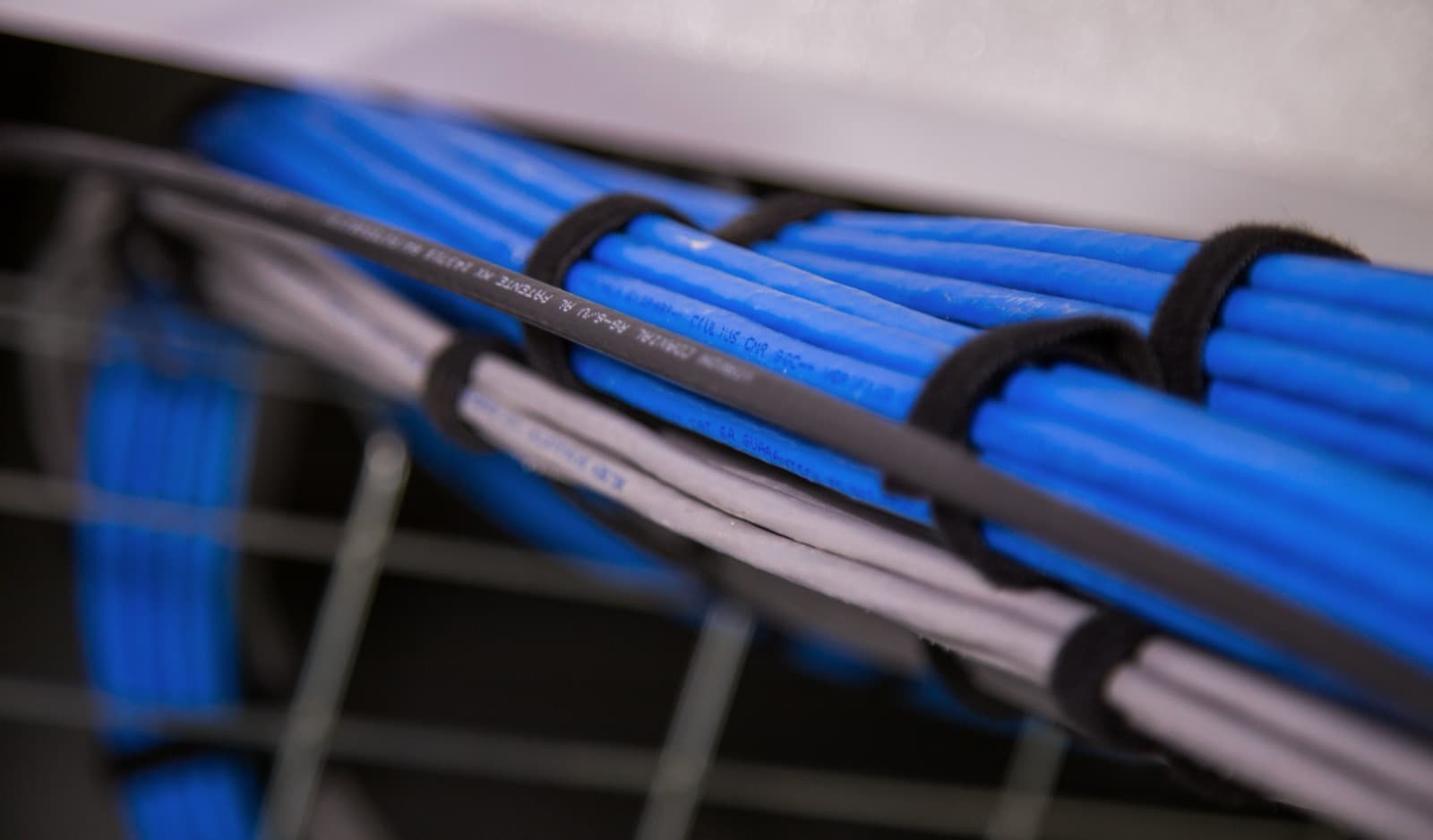
Cat6 vs. Cat6A Cost
Cat6A usually costs more to install because the cable is often thicker and may require:
- Larger conduit
- Larger J-hooks
- More tray capacity
- Additional cable management
- More installation time
But cable price alone should not decide the specification.
In a finished commercial building, labor and access can cost more than the cable itself.
That is why a difficult-to-replace cable run may justify Cat6A even when Cat6 would work today.
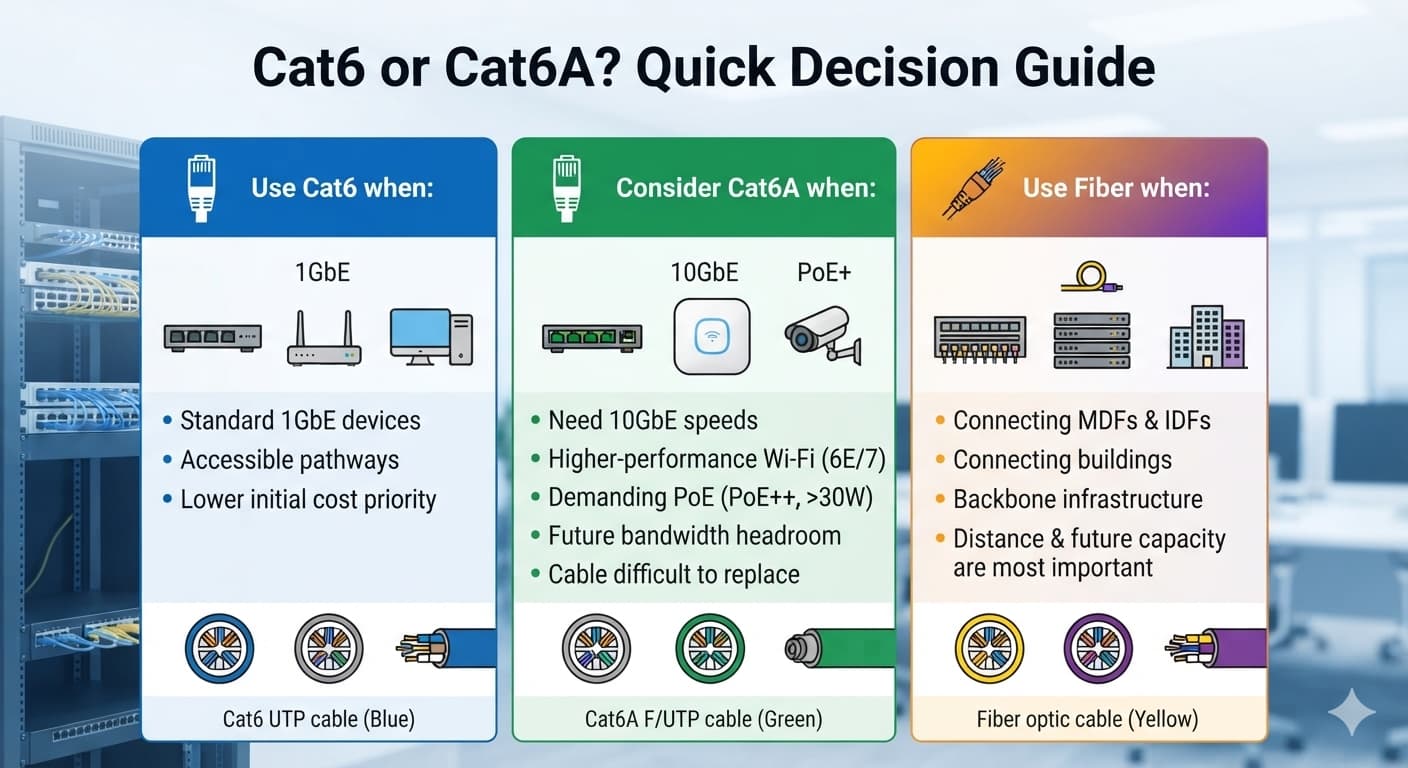
Cat6 or Cat6A? Quick Decision
Use Cat6 when: standard 1GbE devices, accessible pathways and lower initial cost are the priority.
Consider Cat6A when: you need 10GbE, higher-performance Wi-Fi, demanding PoE, future bandwidth headroom or the cable will be difficult to replace.
Use fiber when: you are connecting MDFs, IDFs, buildings or other backbone infrastructure where distance and future capacity are more important.
Common Cat6 vs. Cat6A Mistakes
“Cat6A automatically makes the network faster.”
No. A 1GbE switch and 1GbE computer will still connect at 1GbE.
“Cat6A should be installed everywhere.”
Not always. It can increase pathway and installation requirements.
“If the cable says Cat6A, the network is Cat6A.”
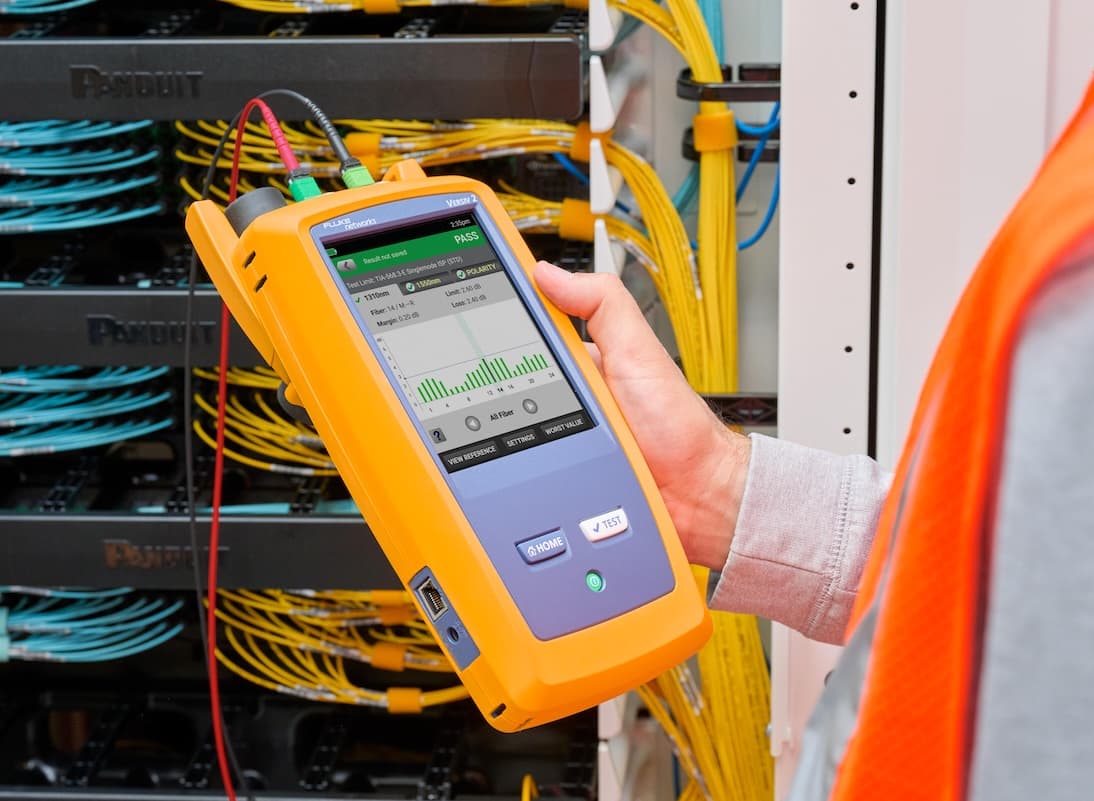
Not necessarily. Jacks, patch panels, patch cords, termination quality and testing are part of the complete channel.
The Technopolis Standard
At Technopolis, cable category is selected around the actual system: endpoint → bandwidth → distance → PoE → pathway → future upgrades → replacement cost.
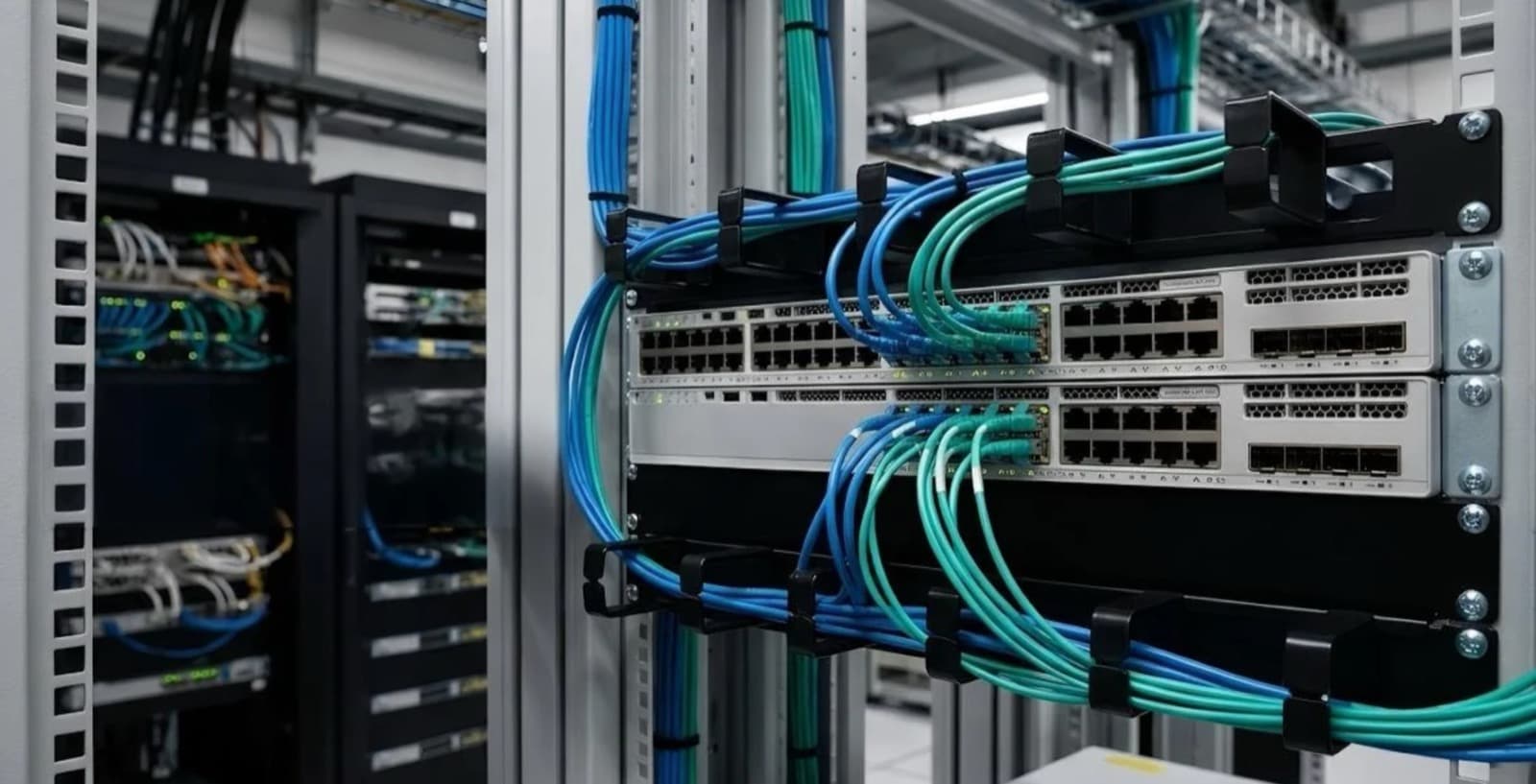
That means one commercial building may use Cat6 for standard endpoints, Cat6A for higher-performance infrastructure, and fiber for backbone connectivity.
The goal is not to install the highest category everywhere.
The goal is to install the correct infrastructure for each application — then test, label and document it properly.
Cat6 vs. Cat6A FAQ
Is Cat6A better than Cat6?
Cat6A supports higher frequency, better alien-crosstalk performance and 10GbE up to 100 meters. Cat6 is less expensive and remains appropriate for many standard commercial endpoints.
Can Cat6 run 10GbE?
Yes, Cat6 can support 10GbE over shorter channels depending on installation conditions. Cat6A is the preferred standard when 10GbE is required over the full 100-meter channel.
Is Cat6A worth it for an office?
It depends on the endpoint. Cat6 may be enough for normal workstations, while Cat6A can make sense for Wi-Fi APs, high-performance computers, AV systems and hard-to-replace cable runs.
Should commercial buildings use Cat6 or Cat6A?
There is no single correct answer. The decision should be based on bandwidth, distance, PoE requirements, pathway capacity, future upgrades and replacement cost.
Related systems
Related reading
Have a project that raises this exact question?